The central argument
Romania was built at home and gained European room to act in Paris.
Romanian actors supplied the programme, people, advocacy, elections and fait accompli. France supplied an audience, diplomatic pressure and international protection when local initiative might otherwise have been blocked.
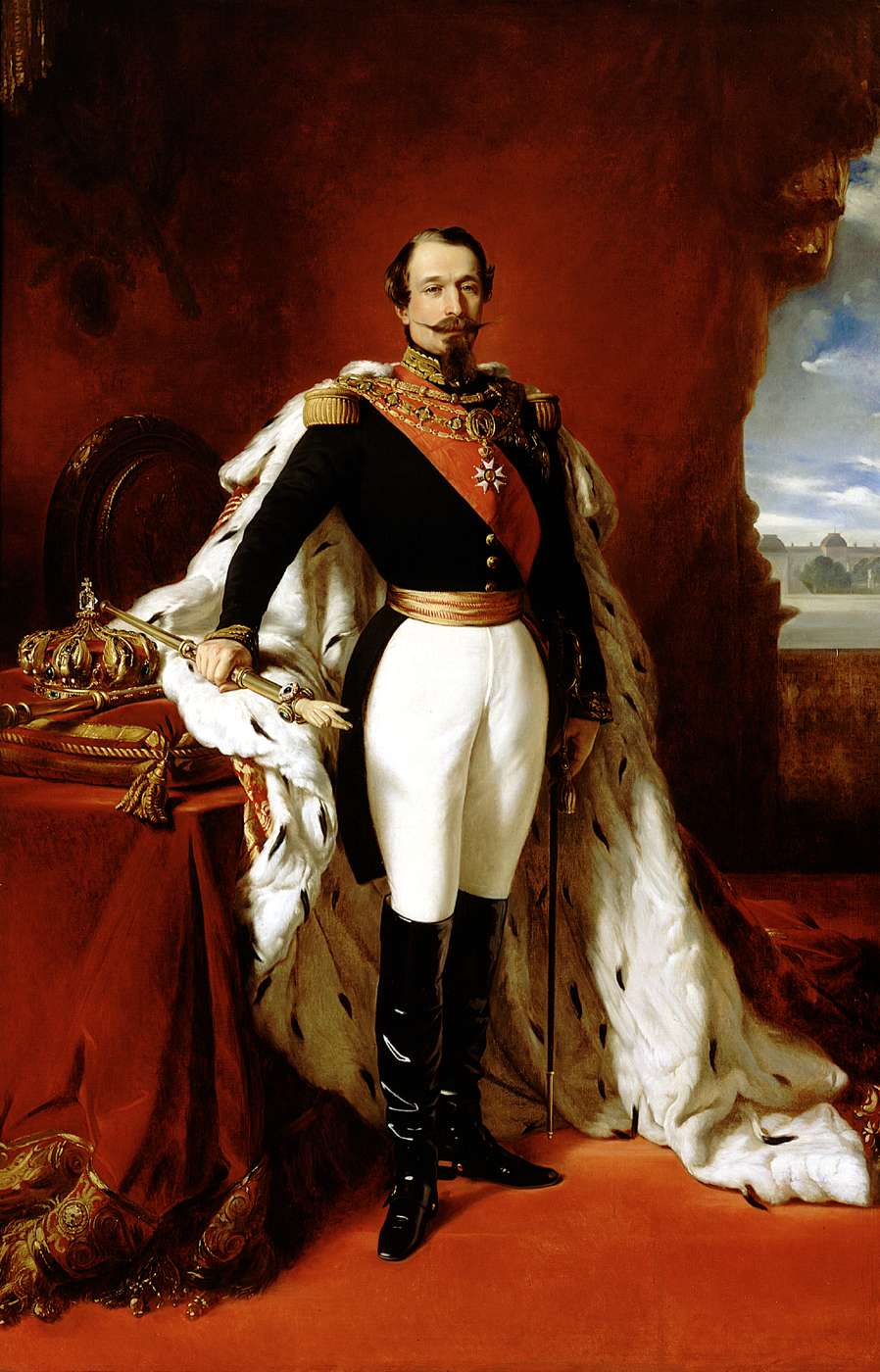
The distinction preserves both forms of agency. The 1859 union grew from Romanian political action inside a European framework reshaped by the Crimean War and great-power diplomacy. Napoleon III was the leading European supporter of the unionist cause, while the Ottoman Empire, Russia, Britain, Austria, Sardinia and Prussia continued to shape the settlement.
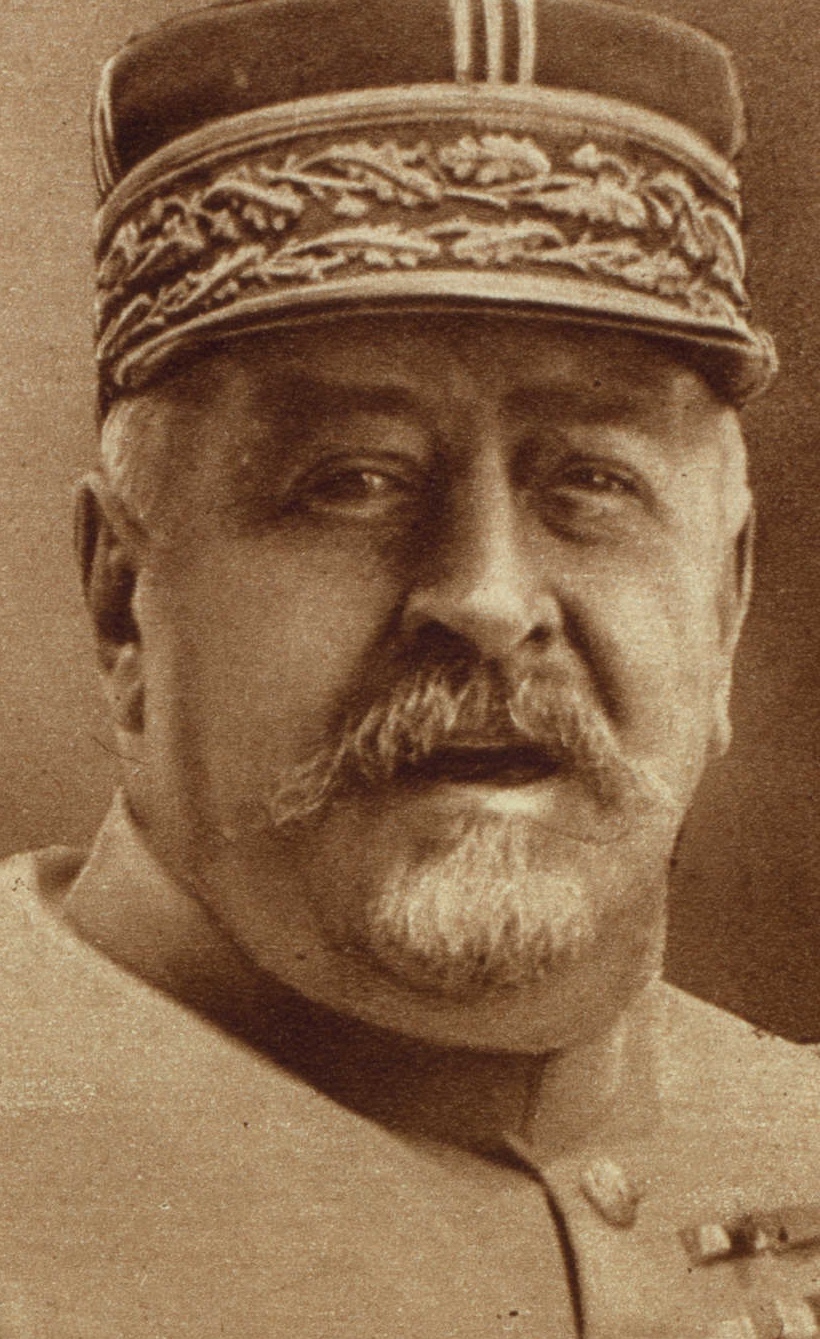
That pattern returned in other forms. French officers helped rebuild the Romanian army in 1916–1917; diplomats and geographers supplied access and expertise in 1919; France later supported Romania's accession to the European Union and ratified the treaty in December 2006.